


While a generator can provide vital power during outages, improper use can lead to serious safety hazards. Every Plymouth, MA, homeowner needs to prioritize generator safety to protect their family and property. From understanding the basics to recognizing the risks of carbon monoxide, there are several key practices to follow. Let’s explore these essential tips to guarantee your generator is a reliable source of power when you need it most.
Understanding Generator Basics and Types
When you’re considering a generator for your home, it’s important to understand the different types available and how they can meet your needs.
Portable generators are versatile and easy to move, making them perfect for temporary power during outages or outdoor events. They run on gasoline and can power essential appliances, but you’ll need to be cautious about ventilation and fuel storage.
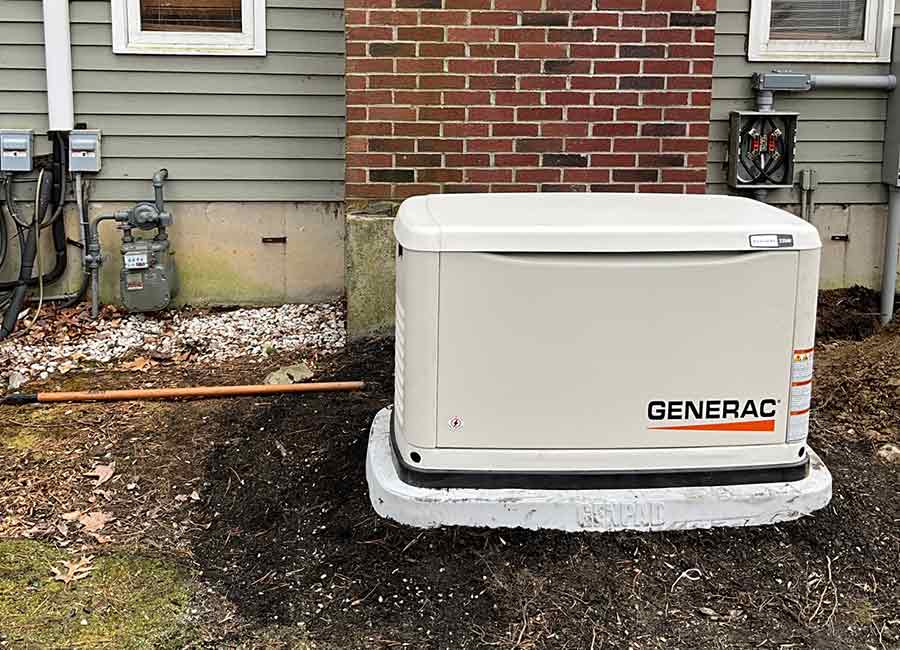
Standby generators, on the other hand, are permanently installed and automatically kick in during a power failure. They usually run on natural gas or propane, providing a seamless power experience for your entire home.
Inverter generators are another option, offering cleaner power, ideal for sensitive electronics. They’re lightweight and quiet but may not supply as much power as other types. Additionally, whole-house generators provide increased reliability and long-lasting power, ensuring your home remains comfortable during outages.
Proper Installation and Maintenance Practices
Choosing the right generator for your home is just the beginning; proper installation and maintenance are key to guaranteeing its safe and efficient operation.
Always hire a qualified electrician, like those at Crowe Electric, to install your generator. They’ll confirm it meets local codes and safety standards, minimizing risks.
Once installed, regular maintenance is essential. Schedule routine inspections and service to catch potential issues early.
Check the battery, oil levels, and air filters, and clean any debris around the unit. Keep an eye on connections and wiring, too; wear and tear can lead to serious problems.
Don’t forget to familiarize yourself with the generator’s user manual. It contains important information on troubleshooting and care. Additionally, investing in ongoing support services can enhance the reliability and performance of your generator over time.
Safe Fuel Handling and Storage
While guaranteeing your generator runs smoothly, safe fuel handling and storage are essential for preventing accidents and maintaining efficiency.
Always store fuel in approved containers, clearly labeled with the type of fuel. Keep these containers away from direct sunlight and heat sources to prevent ignition. When filling your generator, turn it off and cool to avoid spills or fires.
It’s vital to use the correct fuel type specified by the manufacturer. If you’re using gasoline, consider adding a fuel stabilizer to extend its shelf life.
Never mix fuels, and dispose of old or contaminated fuel properly at a designated facility.
Regularly check your fuel storage area for leaks or damage, and keep it well-ventilated. Additionally, be aware of the importance of proper ventilation when operating your generator to ensure safety and minimize health risks.
Recognizing Carbon Monoxide Risks
Since using a generator can pose serious health risks if not handled properly, it’s crucial to recognize the dangers of carbon monoxide (CO) exposure. CO is a colorless, odorless gas that can be deadly, and it’s produced whenever fuel burns.
You should never operate your generator indoors or in enclosed spaces like garages, as CO can quickly build up to dangerous levels. Always place your generator outside, at least 20 feet away from your home, windows, doors, and vents to minimize the risk of CO entering your living space.
Invest in a battery-operated or plug-in CO detector to provide an early warning if levels become unsafe. Additionally, ensure that your home is equipped with whole-home surge protection to safeguard against electrical surges when using your generator.
If you ever experience symptoms like headaches, dizziness, or nausea, turn off your generator immediately and seek fresh air. Staying informed and vigilant can protect you and your loved ones from the hidden dangers of carbon monoxide while enjoying the benefits of your generator.
Essential Emergency Preparedness Tips
After understanding the risks associated with carbon monoxide, it’s important to prepare for potential emergencies that can arise during power outages or severe weather.
Start by creating an emergency kit that includes essentials like water, non-perishable food, flashlights, batteries, and a first-aid kit. Make sure you have enough supplies to last at least three days.
Next, establish a communication plan with family members, so everyone knows how to stay connected in an emergency.
Consider investing in a reliable generator, and familiarize yourself with its operation and safety features.
Regularly check your generator for maintenance, and make certain your home has working smoke and carbon monoxide detectors.
Finally, keep important documents in a safe, easily accessible location.
Conclusion
By prioritizing generator safety, you’re protecting your home, your family, and your peace of mind. Always operate your generator outdoors, maintain it regularly, and handle fuel with care. Recognize the dangers of carbon monoxide and equip your home with detectors. Prepare for emergencies and know what to do when the power goes out. With these essential practices, you’ll guarantee that when the lights go out, you’ll be ready, safe, and secure.