

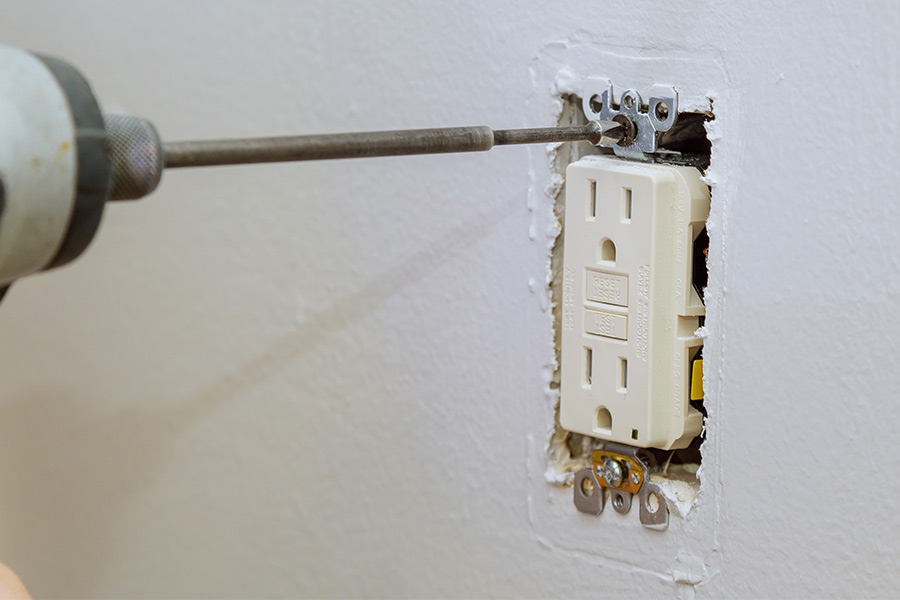
When installing electrical outlets in your Norwell, MA home, it’s crucial to get it right the first time. Understanding local codes and choosing the right outlet types can make a significant difference in safety and convenience. Knowing the best practices is key whether you’re planning to add outlets in a kitchen or a living room. Let’s explore how to verify your installation meets all requirements and functions smoothly for years to come.
Understanding Local Electrical Codes in Norwell, MA
When you’re installing electrical outlets in Norwell, MA, it’s crucial to understand the local electrical codes that govern your projects. These codes are in place to guarantee safety and compliance, so you can avoid potential hazards and costly fines.
Start by checking the Massachusetts State Building Code, which outlines specific requirements for electrical installations. For instance, you’ll need to take into account outlet placement, grounding methods, and circuit load limits.
Consult the local building department for any additional regulations unique to Norwell. They may have specific guidelines regarding GFCI outlets in wet areas or tamper-resistant outlets in homes with children.
Familiarizing yourself with these codes not only keeps you safe but also verifies that your work is up to standard. If you’re uncertain, don’t hesitate to reach out to a licensed electrician. Crowe Electric can help you navigate these codes with expert advice and reliable service. Additionally, understanding the importance of GFCI outlet installation can enhance safety in your home, especially in areas prone to moisture.
Choosing the Right Outlet Types for Your Needs
When choosing outlets for your home, you need to contemplate whether standard or GFCI outlets suit your needs best. GFCI outlets are essential in areas prone to moisture, while specialized options can enhance functionality for specific devices. Additionally, understanding the importance of electrical panels can help ensure that your home’s wiring supports the outlet types you select. Let’s explore the differences and find the right fit for your space.
Standard vs. GFCI Outlets
Choosing the right outlet type for your needs involves understanding the differences between standard and GFCI outlets.
Standard outlets are perfect for general use, while GFCI outlets offer added protection in wet areas. Here’s what you should know:
- Standard Outlets: Suitable for most rooms, like living rooms and bedrooms.
- GFCI Outlets: Required in kitchens, bathrooms, and outdoor spaces to prevent electrical shock.
- Reset Function: GFCI outlets include a reset button, making them easy to troubleshoot.
- Cost: Standard outlets are typically less expensive than GFCI options.
Specialized Outlet Options
Many homeowners mightn’t realize the variety of specialized outlet options available to enhance safety and functionality in their spaces.
For instance, if you spend time outdoors, consider installing weatherproof outlets to protect against moisture. USB outlets are perfect for charging devices without bulky adapters, while smart outlets allow you to control your electronics remotely.
If you have high-powered appliances, dedicated circuits, or heavy-duty outlets, guarantee they operate safely. In areas with potential water exposure, like kitchens and bathrooms, GFCI outlets are a must.
Planning Your Outlet Placement for Maximum Convenience
Have you considered how the layout of your space impacts your daily activities? Proper outlet placement can make a huge difference in convenience and functionality.
Think about where you use electronics most often and plan accordingly.
- Place outlets near your favorite seating areas for easy device charging.
- Install outlets in the kitchen for small appliances and countertop gadgets.
- Consider outdoor outlets for tools or lighting in your yard.
- Don’t forget about bedrooms—having outlets near the bed can be a game-changer for charging devices overnight. Additionally, ensuring your outlets meet modern standards is crucial for safety and efficiency in your home’s electrical system.
Ensuring Safety With Proper Circuit Breakers
When it comes to electrical safety, understanding circuit breakers is essential.
You need to know the different types, proper sizing, and installation best practices to keep your home safe. Additionally, ensuring the installation of whole-house surge protectors can significantly enhance your home’s electrical safety by protecting against unexpected electrical surges.
Circuit Breaker Types Explained
Understanding the different types of circuit breakers is essential for ensuring your home’s electrical safety. Each type serves a unique purpose and can protect your home from potential hazards.
Here are the main types you should know:
- Standard Circuit Breakers: These provide basic protection against overloads and short circuits.
- GFCI Breakers: Ground Fault Circuit Interrupters protect against electrical shock, especially in wet areas like kitchens and bathrooms.
- AFCI Breakers: Arc Fault Circuit Interrupters prevent fires caused by arcing faults in wiring.
- Dual Function Breakers: Combining the features of GFCI and AFCI breakers, these offer extensive protection.
Proper Sizing and Ratings
Proper sizing and ratings of circuit breakers are vital for maintaining electrical safety in your home. You need to verify that the circuit breaker matches the electrical demands of the outlets and devices connected to it.
If it’s too small, it may trip frequently; if it’s too large, it won’t provide adequate protection against overloads. Check the amperage rating of your circuit breakers—common ratings are 15, 20, and 30 amps.
It’s also important to use breakers designed for the specific type of circuit, such as GFCI or AFCI breakers, where necessary.
Don’t overlook the significance of consulting a qualified electrician to confirm you’ve chosen the right size and ratings, keeping your home safe and efficient.
Installation Best Practices
To guarantee a safe and efficient electrical system, it’s essential to follow installation best practices when setting up outlets and circuit breakers.
Start by selecting the right circuit breaker for your specific needs. Confirm to:
- Use breakers that match the amperage of your circuits.
- Install Ground Fault Circuit Interrupters (GFCIs) in wet areas.
- Label your breaker panel clearly for easy identification.
- Regularly test your breakers to verify they function properly.
Tools and Materials Required for Outlet Installation
When you’re gearing up to install electrical outlets, having the right tools and materials on hand makes all the difference. Start with a voltage tester to verify safety before you touch any wires.
You’ll need a screwdriver set, wire strippers, and a pair of pliers for handling wires and screws effectively. Don’t forget a drill and drill bits if you’re mounting the outlet in a new location.
For materials, pick up your electrical outlets, outlet covers, and the appropriate wiring—typically 12 or 14 gauge, depending on your circuit.
You’ll also want to have electrical tape and wire nuts to secure connections. Finally, a level helps verify your outlets are straight.
With these tools and materials ready, you’ll set yourself up for a smoother installation process.
Step-by-Step Guide to Installing Electrical Outlets
Now that you’ve gathered your tools and materials, it’s time to focus on safety precautions before starting the installation.
Following a step-by-step process will guarantee that everything goes smoothly and securely.
Let’s get started on how to properly install your electrical outlets!
Necessary Tools and Materials
Installing electrical outlets requires a few essential tools and materials to guarantee the job is done safely and efficiently.
Before you start, make certain you’ve gathered everything you need. Here’s a quick list to help you get organized:
- Screwdriver set: To secure the outlet and cover plates.
- Wire stripper: For preparing your electrical wires.
- Voltage tester: To verify that the power is off before you begin working.
- Electrical tape: For securing and insulating connections.
Having these tools on hand will streamline the process and help you avoid unnecessary trips to the store.
With the right equipment ready, you can confidently move forward with your outlet installation, assuring a successful and safe outcome.
Safety Precautions to Follow
Before you start working on electrical outlets, it’s vital to prioritize safety to protect yourself and your home.
First, always turn off the power at the circuit breaker before beginning any work. Use a voltage tester to double-check that the outlet is de-energized.
Wear rubber-soled shoes and avoid working on wet surfaces. Keep your workspace dry and clutter-free to prevent accidents. Use insulated tools to reduce the risk of electric shock.
If you’re unsure about your skills, don’t hesitate to call a professional like Crowe Electric.
Finally, keep children and pets away from your work area to guarantee their safety. Following these precautions will help create a secure environment while you install your electrical outlets.
Step-by-Step Installation Process
When you’re ready to install electrical outlets, it’s essential to follow a clear and organized process to guarantee safety and functionality. Start by gathering your tools and materials, making sure you have everything you need.
Then, turn off the power at the circuit breaker to avoid any hazards. Next, mark the desired location for your outlet and cut an appropriate hole in the wall.
Follow these steps for a smooth installation:
- Connect the wires to the outlet according to color codes.
- Secure the outlet in the electrical box.
- Replace the cover plate and make sure everything is neat.
- Finally, turn the power back on and test your installation.
Testing Your New Outlets for Functionality
Once your new outlets are in place, it’s essential to guarantee they’re functioning properly to maintain safety and efficiency in your home.
Start by plugging in a simple device, like a lamp or phone charger, to see if it powers on. If it doesn’t, check the circuit breaker to verify it hasn’t tripped.
Next, use a voltage tester to check for power at the outlet. This tool can quickly confirm if electricity is flowing correctly.
Don’t forget to test any GFCI outlets by pressing the “Test” button and confirming the outlet cuts power, then pressing “Reset” to restore functionality.
Lastly, if you notice any flickering lights or unusual sounds, it’s best to call a professional.
Keeping your outlets functional means a safer, more efficient home, and Crowe Electric is ready to help if you encounter any issues.
Common Mistakes to Avoid During Installation
While installing electrical outlets may seem straightforward, many common mistakes can compromise safety and functionality. To guarantee your installation goes smoothly, avoid these pitfalls:
- Neglecting to turn off the power: Always switch off the circuit breaker before starting.
- Using incorrect wire sizes: Make sure you use the appropriate gauge for your outlets to prevent overheating.
- Overloading circuits: Be mindful of the total load to avoid tripping breakers or causing fire hazards.
- Improper grounding: Verify your outlets are grounded correctly for safety and to protect your devices.
When to Call a Professional Electrician
Knowing when to call a professional electrician can save you time, money, and potential hazards in your home.
If you’re facing flickering lights, frequent circuit breaker trips, or an outlet that feels warm to the touch, it’s time to get help.
Don’t attempt to fix these issues yourself, as they can indicate deeper electrical problems that could lead to fire risks.
Additionally, if you’re planning to install multiple outlets or tackle complicated wiring, hiring an expert guarantees the job meets safety standards.
You should also call a professional if you’re unsure about local codes or permits required for your project.
Maintaining Your Electrical Outlets for Longevity
Adopting simple maintenance practices is essential to guaranteeing your electrical outlets last as long as possible.
Regular care not only enhances safety but also prolongs the life of your outlets. Here are key tips to keep in mind:
- Inspect outlets regularly for signs of wear, such as cracks or discoloration.
- Clean the outlet surfaces with a damp cloth to prevent dust buildup, which can affect performance.
- Avoid overloading outlets by plugging in too many devices or using high-wattage appliances inappropriately.
- Test GFCI outlets monthly to confirm they’re functioning correctly; press the reset button after testing.

Conclusion
By following these tips, you’ll be well on your way to successfully installing electrical outlets in your Norwell home. Remember, safety first—don’t cut corners when it comes to codes and proper installation. With a little planning and the right tools, you can guarantee your outlets are not just functional but also safe and convenient. So, roll up your sleeves and get ready; it’s time to make your home shine with proper electrical setups!