

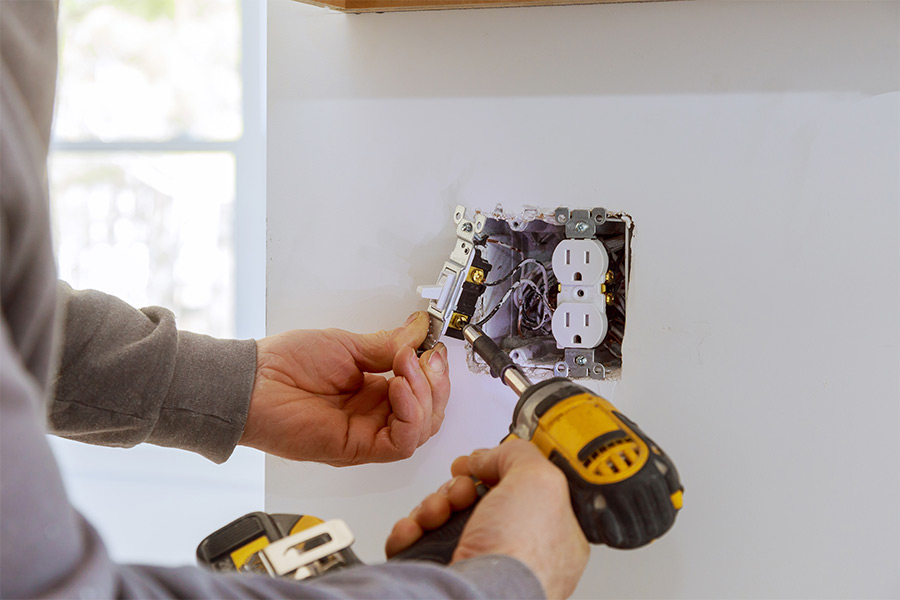
In Norwell, MA, we often make common electrical repair mistakes that can jeopardize our safety and finances. We might overlook local codes, underestimate the importance of safety gear, or misjudge the complexity of our projects. Some of us skip proper testing after repairs or assume all issues are DIY-friendly. It’s easy to overlook important details like using the right tools or turning off the power before we start. Let’s explore these pitfalls further to guarantee our electrical work is safe and sound.
Ignoring Local Electrical Codes and Regulations
When we tackle electrical repairs, it’s easy to overlook local codes and regulations, but doing so can lead to serious consequences. These codes exist for a reason—they guarantee our safety and the reliability of our electrical systems. Ignoring them can result in unsafe installations that might not only endanger us but also damage our property.
We should familiarize ourselves with the specific codes in Norwell, MA, before starting any project. This includes understanding required permits and adhering to guidelines for wiring, outlets, and fixtures.
If we skip these steps, we risk facing fines or, worse, having to redo our work after inspections. It’s essential to ensure our electrical systems are up to date, especially when considering modern electrical panels that meet current safety standards.
Let’s remember that compliance isn’t just about legality; it’s about protecting ourselves and our homes. By respecting local regulations, we can confidently move forward with our repairs, knowing we’re keeping safety at the forefront.
Underestimating the Importance of Safety Gear
Ignoring local codes can lead us to overlook another essential aspect of electrical repair: safety gear. It’s easy to think we can skip the gloves or goggles just this once, but that can be a dangerous mindset. We need to remember that even minor repairs can expose us to serious risks, like electrical shocks or burns.
When we tackle electrical work, wearing appropriate safety gear isn’t just a precaution—it’s a necessity. Insulated gloves protect our hands, while safety goggles shield our eyes from flying debris. Hard hats can be vital in tight spaces where tools or materials might fall.
Let’s not forget the importance of non-slip footwear in preventing accidents. By prioritizing our safety gear, we’re not only protecting ourselves but also ensuring we can complete the job without mishaps. Additionally, consulting experienced electricians can help further ensure safety and proper installation techniques.
Overloading Circuits With Too Many Devices
When we overload circuits with too many devices, we can face serious safety risks. It’s vital to recognize the signs of an overloaded circuit and know the safe limits for our devices. Whole-house surge protectors can help mitigate these risks by preventing electrical surges that could lead to circuit overloads. Let’s explore how we can avoid these common pitfalls and keep our homes safe.
Signs Of Overloaded Circuits
Overloaded circuits can pose serious safety risks, and recognizing the signs early can prevent costly repairs or hazards.
We’ve all experienced flickering lights or warm outlets. If our circuit breakers trip frequently, it’s a clear indication of overload.
We should also watch for unusual smells, such as burning plastic, which can signal overheated wires. Additionally, if we notice that our devices are charging slowly or not functioning properly, it might mean there’s too much strain on the circuit.
By paying attention to these warning signs, we can act swiftly to protect our homes and guarantee our electrical systems are safe and reliable.
Let’s stay vigilant and prioritize our safety.
Safe Device Limits
To guarantee our electrical systems remain safe, we must be mindful of how many devices we plug into a single circuit. Overloading circuits can lead to serious hazards, but we can avoid this by following a few simple guidelines:
- Know the Limit: Check the circuit’s amperage rating to understand how much it can handle.
- Balance Loads: Distribute devices evenly across multiple circuits rather than crowding them into a single circuit.
- Prioritize High-Wattage Appliances: Limit the number of high-wattage appliances, such as space heaters or microwaves, on the same circuit.
- Use Surge Protectors: They can help manage multiple devices safely and protect against voltage spikes.
Misjudging the Complexity of Electrical Work
When we tackle electrical projects, it’s easy to underestimate the skills needed and the importance of safety protocols. We might also overlook local codes that keep our work compliant. Let’s explore how these misjudgments can lead to costly mistakes. Additionally, attempting an upgrade without professional help can result in unsafe conditions, particularly if the electrical panel is the heart of the home.
Underestimating Required Skills
While many of us may feel confident tackling minor electrical issues, we often underestimate the skills required for more complex tasks. This misjudgment can lead to costly mistakes and unsafe situations.
Here are some essential skills we should recognize:
- Circuit Analysis: Understanding how circuits work is critical for troubleshooting.
- Wiring Knowledge: Familiarity with different wire types and their uses guarantees proper installations.
- Tool Proficiency: Using tools like multimeters and wire strippers effectively is essential for successful repairs.
- Code Compliance: Knowing local electrical codes helps us avoid legal issues and maintain safety.
Ignoring Safety Protocols
Even when we feel confident in our abilities, ignoring safety protocols can lead to serious accidents. We often underestimate the risks involved in electrical work, thinking a simple fix won’t cause harm.
But one wrong move, like neglecting to turn off the power, can result in shock or fire.
We shouldn’t skip wearing protective gear, such as gloves and safety goggles, either. These small precautions can make a big difference in keeping us safe.
We must take a moment to assess the situation and guarantee we’re following all safety guidelines.
Overlooking Local Codes
Although we can handle electrical repairs without much trouble, failing to comply with local codes can lead to costly mistakes. Many of us underestimate the complexity of our local regulations, which are designed to guarantee safety and reliability.
Here are some common oversights we should avoid:
- Not applying for permits – Skipping this step can result in fines.
- Ignoring inspection requirements – Failing to have our work inspected can jeopardize safety.
- Using non-compliant materials – This could lead to hazards or additional costs down the line.
- Neglecting to follow local amendments – Codes can vary greatly, and staying informed is essential.
Failing to Turn Off Power Before Starting Repairs
Before we plunge into any electrical repairs, we must always remember to turn off the power. It’s an essential step that some of us might overlook in our enthusiasm to get things done. By skipping this vital action, we not only risk damaging our electrical system but also put ourselves in harm’s way.
When we’re working with live wires, a simple mistake can lead to serious injuries or even worse. We might think we can manage without switching off the power, but that’s a gamble we shouldn’t take.
Always locate the appropriate circuit breaker and turn it off. Double-check with a voltage tester to verify there’s no electricity flowing before we start our repairs. This small precaution can make a huge difference in keeping us safe and guaranteeing our project goes smoothly.
Let’s commit to making this a non-negotiable part of our repair routine.
Using Incorrect Tools for Electrical Tasks
Using the right tools for electrical tasks is essential to ensuring both safety and efficiency. When we attempt repairs with incorrect tools, we risk not only damaging our electrical systems but also endangering ourselves.
Here are four common tools we should always have on hand for electrical tasks:
- Voltage Tester: To check if circuits are live before working on them.
- Wire Strippers: For safely removing insulation from wires without damaging them.
- Screwdrivers: A set of insulated screwdrivers is vital for securing and loosening connections.
- Pliers: Needle-nose pliers are great for gripping and twisting wires.
Skipping Essential Testing After Repairs
After completing electrical repairs, we often feel a sense of accomplishment and may be tempted to skip testing the work. However, neglecting this vital step can lead to serious issues down the line.
We need to remember that even small mistakes can have big consequences. Without proper testing, we’re left guessing whether everything functions as it should.
Imagine flipping the switch, only to find flickering lights or, worse, a tripped breaker. By taking a few extra minutes to test our repairs, we can identify potential problems before they escalate.
Simple tools like a multimeter can help us check for proper voltage, continuity, and grounding.
Let’s commit to thorough testing every time we finish a project. It not only guarantees our safety but also gives us peace of mind that our hard work was effective.
The right testing can save us time, money, and hassle in the long run.
Assuming All Electrical Issues Are DIY-Friendly
While tackling electrical issues can be satisfying, we shouldn’t assume that every problem is DIY-friendly. Some situations are better left to professionals, and understanding the risks can save us time and money.
Here are four scenarios where we should think twice before picking up those tools:
- Complex Wiring Issues: If we’re dealing with outdated or complicated wiring, it’s essential to consult an electrician.
- Flickering Lights: This could indicate a deeper issue than a simple bulb replacement.
- Frequent Circuit Breaker Trips: We might overlook the underlying problems causing overloads.
- Electrical Fires: If we notice scorch marks or burning smells, it’s an emergency that needs immediate professional attention.
Conclusion
In wrapping this up, it’s clear that avoiding these common electrical repair mistakes can save us a whole lot of trouble down the line. We need to remember that when it comes to electrical work, it’s better to be safe than sorry. Let’s keep our homes safe and sound by following local codes, using the right tools, and knowing when to call in the pros. After all, it’s not worth risking a shock to save a buck!