

Most homeowners do not think much about power surges until something expensive stops working. The reality is that the average home experiences around 2,000 surges per year, most of them small enough to go unnoticed. But even low-level surges gradually degrade the internal components of electronics and appliances over time, and a significant spike can destroy them instantly.
In our service calls throughout Pembroke, MA, our team at Crowe Electric sees surge-related damage more often than most homeowners expect. Understanding what triggers these voltage spikes, and how to protect against them, is one of the more practical things a homeowner can do for their electrical system.
What Is a Power Surge?
Standard residential electrical systems in the United States operate at 120 volts. Minor fluctuations in that voltage are normal and typically harmless. The problem begins when voltage climbs above approximately 170 volts, pushing more energy through the home’s wiring than its devices and appliances are built to handle.
When that happens, two things can occur. A high-magnitude surge can destroy electronics outright in a matter of seconds. More commonly, repeated smaller surges wear down sensitive internal components over months or years, shortening the lifespan of everything from smart TVs and computers to refrigerators and HVAC systems. Either way, the cumulative cost to homeowners can be significant.
What Causes Power Surges in Pembroke, MA?
Several distinct factors can trigger voltage spikes, some originating inside the home and others coming from the grid itself. Knowing the difference matters when choosing the right protective measures.
Electrical Overload
An overload occurs when a single circuit is asked to carry more current than it was designed to handle. This is a common issue in older Pembroke homes where the original wiring predates the electrical demands of modern households.
High-draw appliances, including space heaters, microwaves, air conditioners, and large kitchen appliances, are frequent contributors. When too many of these devices share a circuit, the resulting current imbalance can produce internal surges. Daisy-chained power strips and overloaded extension cords amplify the risk further.
Distributing high-demand appliances across separate dedicated circuits is the professional solution. In some cases, this points to a need for a broader electrical panel upgrade to bring the home’s capacity in line with its actual load.
Faulty Wiring
Deteriorating or improperly installed wiring creates unstable current flow throughout a home’s electrical system, and that instability raises the risk of voltage irregularities. The challenge is that wiring problems are largely hidden behind walls, making them difficult for homeowners to identify without a professional inspection.
Warning signs worth paying attention to include:
- Outlets with discoloration or scorch marks around the face plate
- Burning or unusual smells near outlets or the electrical panel
- Buzzing or crackling sounds when devices are plugged in
- Circuit breakers that trip frequently or without an obvious cause
These are not issues that resolve on their own. Based on what we see in Pembroke properties, wiring problems tend to worsen over time, and the risks associated with leaving them unaddressed, including electrical fire, are serious. A licensed electrician should inspect and perform any needed electrical repairs promptly.
Lightning Strikes
Lightning strikes the United States roughly 40 million times annually. A direct strike on or near a home is an obvious concern, but even a strike that hits power lines several blocks away can send a massive voltage spike traveling through the grid and into a home’s electrical system within milliseconds.
Pembroke’s location in Plymouth County means it sees its share of active storm seasons, and the South Shore’s proximity to the coast can intensify storm activity. During periods of heavy lightning activity, unplugging sensitive electronics provides a basic layer of protection, though whole-home surge protection offers a more comprehensive and hands-off solution.
Power Outages and Grid Issues
Many homeowners focus on the outage itself without considering what happens when the power returns. The restoration of utility power after an outage often produces a sharp voltage spike as current rushes back through the lines. Utility switching operations and transformer issues at the grid level can produce similar spikes, and because these events originate outside the home, they are difficult to anticipate.
This is one of the primary reasons whole-home surge protection is worth considering. Point-of-use protectors at individual outlets help, but they do not intercept surges before they enter the home’s wiring. A whole-home system installed at the panel level addresses the problem at the source.
How To Protect Your Pembroke Home From Power Surges
Surge protection is not a single product decision. Effective protection involves a layered approach that accounts for both internal and external surge sources.
Key protective measures include:
- Distributing high-demand appliances across separate circuits rather than grouping them together
- Addressing aging or damaged wiring before it causes more significant electrical system problems
- Unplugging sensitive electronics during active lightning storms when possible
- Installing point-of-use surge protectors at outlets where valuable electronics are connected
- Installing a whole house surge protector at the electrical panel to block incoming surges before they reach any device in the home
The whole-home approach is the most comprehensive option available. Unlike plug-in protectors, which only cover devices at a single outlet, panel-level protection covers every circuit in the home simultaneously and does not require homeowners to remember to plug into a protected outlet.
For homeowners who want additional coverage at sensitive locations, combining panel-level protection with surge protection at individual outlets creates a two-layer defense that significantly reduces risk from both internal and external surge sources.
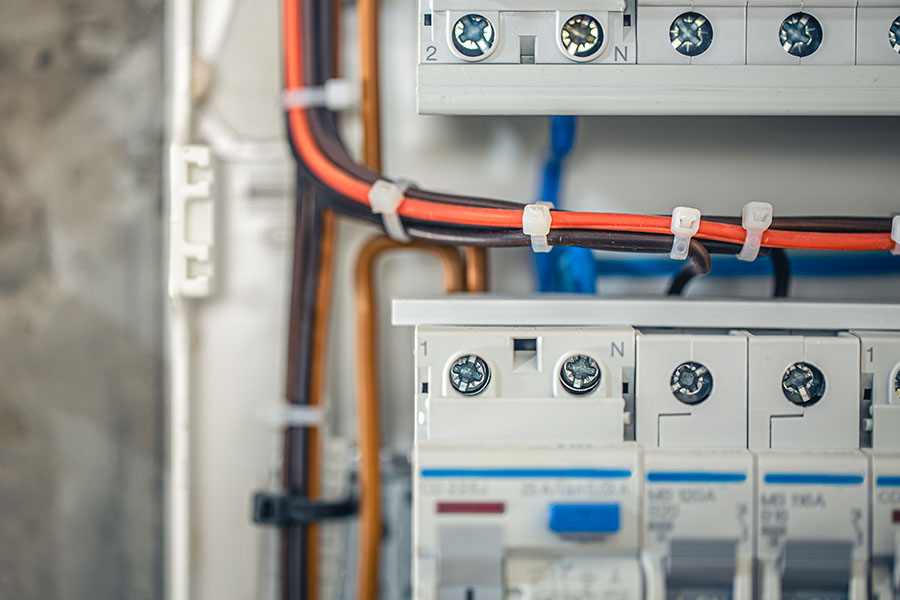
Keeping Your Pembroke Home’s Electrical System Protected
Power surges are unpredictable, but the damage they cause is largely preventable with the right protective measures in place. For Pembroke homeowners, particularly those in older properties or homes with high electrical loads, a professional assessment of the current setup is a practical starting point.
Crowe Electric works with homeowners throughout the Pembroke area to evaluate surge risk, address underlying wiring and panel issues, and install protection solutions that hold up over the long term. If you are ready to take a closer look at your home’s electrical protection, contact our team today to schedule a service visit.