

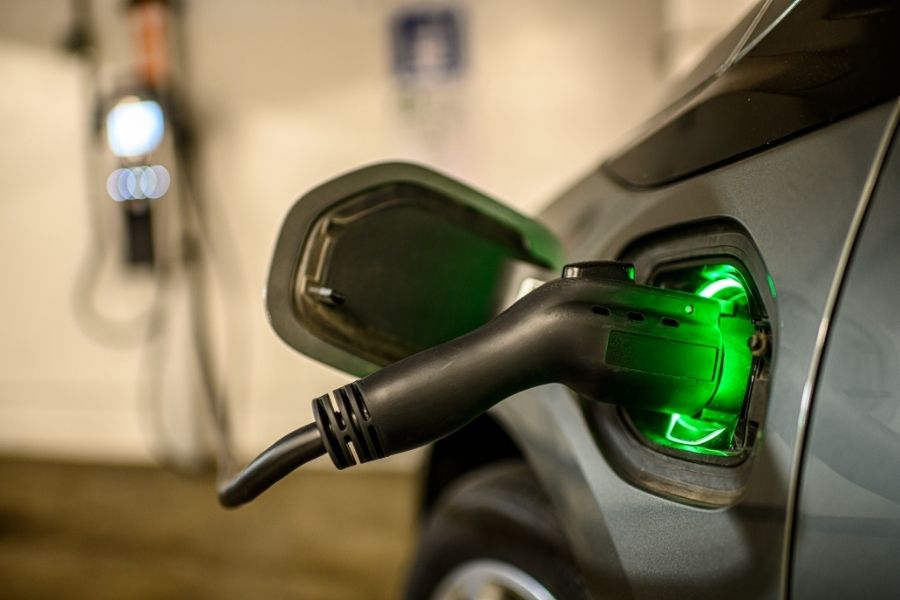
One of the most common questions EV owners ask is whether charging their vehicle in the rain is safe. Since electricity and water don’t mix, the concern is understandable. Thankfully, modern EV chargers are specifically designed to be used outdoors and withstand different weather conditions, from light rain to heavy snow. Still, there are important safety tips and precautions to keep in mind to protect your charger, your battery, and yourself. This guide covers charging your EV in rain, thunderstorms, extreme heat, and freezing cold so you can stay safe and maximize battery life.
Can EV Chargers Get Wet or Are They Waterproof?
A properly installed EV charger is built to be weather-resistant. Most come with IP (Ingress Protection) ratings that certify how well they can handle dust and moisture. For example, many Level 2 chargers used at home or in public are rated IP65 or higher, meaning they are dust-tight and protected against water jets.
In practical terms, this means your charger won’t short out or become unsafe if exposed to rain. The charging connectors themselves are engineered with waterproof seals that only allow electricity to flow once a secure connection with the vehicle is made. This prevents water from entering and creating a hazard.
When choosing a charger, make sure to select a model designed for outdoor installation. Using indoor-only equipment outdoors is unsafe and could damage both the charger and your EV. Investing in a high-quality charger guarantees reliable performance no matter the weather.
Can I Charge My EV in the Rain or During a Thunderstorm?
Charging in the rain is safe. You don’t need to wait for a drizzle to stop before plugging in your EV. The risk of shock or damage is minimal when using a certified outdoor-rated charger. Built-in safety features such as ground-fault detection and automatic shutoff systems ensure the current stops immediately if an electrical issue occurs.
That said, thunderstorms introduce different risks. While the charger itself won’t attract lightning, charging during an active lightning storm can expose your vehicle and electrical system to power surges. To stay safe:
- Avoid plugging in or unplugging your charger during lightning activity.
- Wait until the storm passes if strikes are nearby.
- Use surge protection devices to safeguard your EV’s charging equipment.
By taking these precautions, you can confidently charge your EV during rain but also protect your system from rare but serious storm-related risks.
Can My EV Charger Be Installed Outside?
Yes, many EV owners install their chargers outdoors for convenience. Outdoor-rated chargers are designed to handle rain, snow, and direct sunlight exposure. They are built with sealed housings, waterproof cables, and UV protection.
When installing outdoors, consider these best practices:
- Professional Installation: Always hire a licensed electrician to install your EV charger. They will ensure it meets local building codes and electrical safety standards.
- Location Choice: To extend its lifespan, place the charger in a spot with natural shelter when possible, such as under an awning or carport.
- Drainage: Avoid low-lying areas where water might pool around the charger. Proper drainage keeps the system safe and dry.
With the right setup, outdoor charging can be just as safe and efficient as charging in a garage.
Will Extreme Heat Hurt My EV Battery While Charging?
EV batteries are sensitive to high temperatures. Charging during extreme heat makes your vehicle’s thermal management system work harder to keep the battery within its optimal range (usually around 68–77°F).
If you frequently charge in hot conditions, you may notice:
- Slower charging speeds: Heat management systems throttle charging to prevent overheating.
- Reduced efficiency: More energy goes toward cooling instead of charging.
- Long-term wear: Constant exposure to extreme heat can accelerate battery degradation.
To protect your battery:
- Charge during cooler times of the day, such as early morning or evening.
- Park in shaded areas or use covered charging stations.
- Avoid leaving your EV at 100% charge in extreme heat, as high charge states amplify stress on the battery.
Following these practices helps extend your EV battery’s lifespan while maintaining peak performance.
Are There Issues with Charging in Extreme Cold?
Cold temperatures affect batteries differently from heat. In freezing weather, your EV may charge more slowly and provide less range per charge. Lithium-ion batteries don’t perform as efficiently in cold conditions, and the charging process itself can take longer.
Common cold-weather effects include:
- Reduced battery capacity: Cold temperatures temporarily decrease available energy.
- Longer charging times: The battery management system warms the cells before accepting a charge.
- Lower driving range: Energy use increases as your vehicle works to heat the cabin and maintain optimal battery temperature.
To minimize cold-weather charging issues:
- Precondition your battery: Warm the battery while the car is still plugged in before starting a drive.
- Park indoors: A garage or covered parking helps maintain stable temperatures.
- Keep your EV plugged in: Allow the charger to maintain battery temperature overnight in freezing climates.
Planning ahead allows you to charge your EV effectively even in sub-zero conditions.
Practical Tips for Safe EV Charging in Any Weather
- Always use chargers rated for outdoor use and installed by professionals.
- Keep charging connectors clean and dry when not in use.
- Avoid handling the charger with wet hands.
- Inspect cords and equipment regularly for wear or damage.
- Consider adding a charger enclosure for extra protection from heavy rain or snow.
These steps ensure long-term safety and reliability for your EV charging setup.
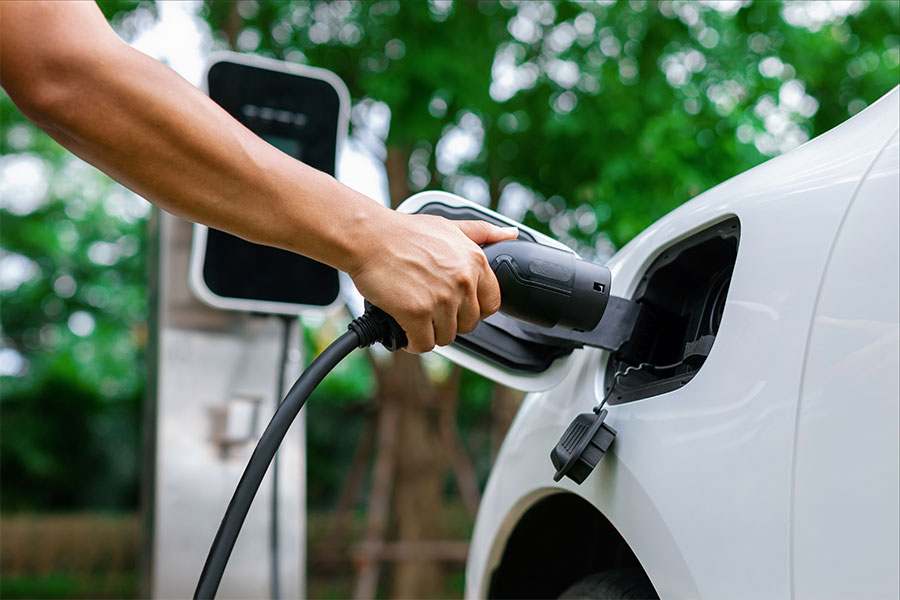
Count on Crowe Electric for EV Charger Installations
Charging your EV in the rain is safe, provided you use a properly rated charger installed by a professional. Modern chargers are designed to withstand rain, snow, heat, and cold while protecting you and your vehicle. Extreme temperatures may affect charging speed and battery health, but with smart habits like preconditioning in the winter and charging during cooler hours in the summer, you’ll minimize risks. By following these weather-specific tips, you’ll enjoy reliable EV charging year-round and keep your vehicle ready for the road no matter the conditions.
Frequently Asked Questions
How do I protect my EV charger from heavy rain?
Use waterproof enclosures, charger covers, and proper drainage solutions to keep water away from the unit during downpours.
Can charging in the rain cause electrical issues?
No. Certified outdoor-rated chargers are designed to prevent water intrusion and meet strict safety standards.
Are there specific chargers designed for wet conditions?
Yes. Many chargers are built with high IP ratings and weatherproof housings for safe outdoor use.
What precautions should I take when charging outdoors?
Use weatherproof equipment, keep cables off the ground, and regularly inspect for wear or damage.
Is there a risk of slipping while charging in the rain?
Yes, wet surfaces can be slippery. Wear shoes with a good grip and be cautious around charging stations.