

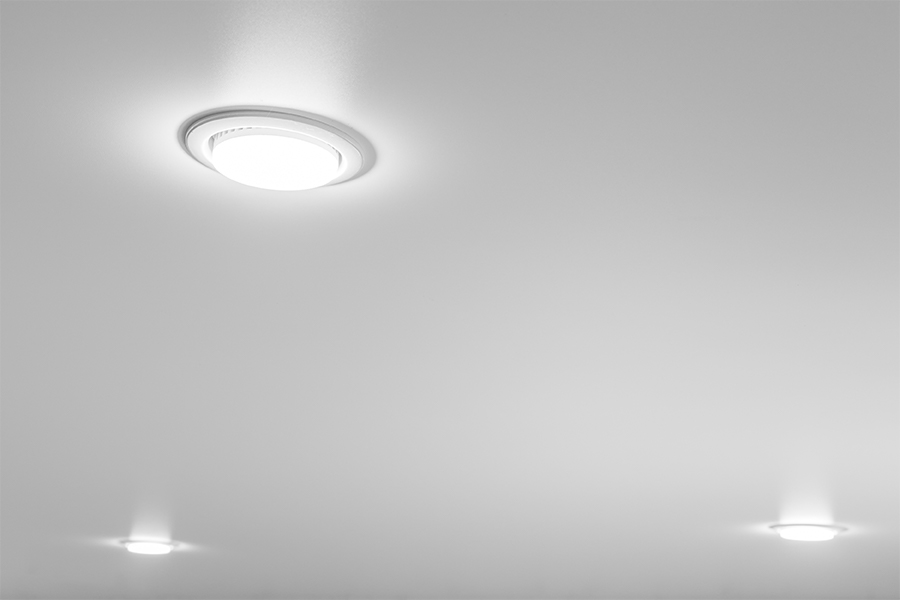
Two popular indoor lighting choices around here are LEDs and incandescent bulbs. The differences between them change what you pick for your lighting needs. To make the most informed decision, you might need to explore your incandescent light bulb vs. LED options.
Professional lighting installations are part of our comprehensive electrical services in Bridgewater, MA. Consult our guide below to learn everything you should know about these lighting options.
What’s an Incandescent Bulb?
Typical incandescent bulbs contain a wire or filament that uses electricity to heat up enough to produce light. These bulbs are relatively cost-effective to buy and easy to install, making them a common light source for homes and businesses throughout Bridgewater.
When To Choose Incandescent Lighting Around Your Bridgewater Residence
Any area on your property that requires a quick, cost-effective lighting solution could benefit from an incandescent light bulb vs. an LED bulb solution. The soft glow makes it ideal for a closet and a lamp. Plus, their warm-toned light output enhances ambient and accent lighting alike.
What’s an LED Bulb?
Unlike incandescents, your light-emitting diodes contain a microchip that converts energy into light. As electricity passes through the microchip, it illuminates the bulb, producing a bright light.
When To Choose LED Light Bulbs in Your House in Bridgewater
LED bulbs and light strips have countless residential applications. For example, they work well as lighting for living rooms, kitchens, and bathrooms. Their durability and energy efficiency also make them ideal for outdoor lighting in Bridgewater.
What Are the Big Differences Between LED and Incandescent Light Bulbs?
To help pin down your incandescent light bulb vs. LED bulb decision, consider how both options measure up in the following categories:
Lighting Experience
The light quality of both bulbs creates a unique experience. You might install incandescents around your home for a warm, inviting ambiance. However, LEDs also offer various light quality options, including a soft white color temperature that duplicates the soft glow of incandescent bulbs.
LED bulbs and light strips can do much more, too. For instance, their microchips produce light in various colors and hues, so the sky’s the limit.
Bulb Lifespan
One of the biggest drawbacks of using incandescent lights is the bulb’s shorter lifespan. Typically, it will only last for about 1,000 hours before dimming or blowing out.
Conversely, LEDs have outstanding durability. Their average lifespan is 25,000 to 50,000 hours. This extended lifespan means you won’t have to replace LED bulbs or strips around your house as often as you would with incandescent bulbs.
Illumination Brightness
When it comes to brightness levels in the incandescent light bulb vs. LED debate, LEDs come out on top. Incandescents emit a warm, yellowish light. A standard 60-watt incandescent bulb typically produces around 800 lumens.
An LED can produce the same brightness level with less wattage. It only takes a 12-watt bulb to deliver 800 lumens, making this option about five times more energy efficient than incandescent lighting.
Energy Efficiency
Regarding energy efficiency, LED lighting is the clear winner. Its efficiency level typically falls between 80% and 90% because it illuminates your space with minimal heat emission.
Up to 90% of the energy incandescents produce is lost through heat, so expect inefficiency.
Overall Cost
For many homeowners, cost is a driving factor for lighting installations. However, expenses associated with both lighting sources can lead to savings in different ways.
With LEDs, you should expect higher upfront costs because they’re a long-term investment. However, their durability and energy efficiency can lead to lower energy bills over time and fewer lighting replacements.
Incandescent bulbs suit budget-conscious consumers, thanks to their low upfront costs. However, since they’re not energy-efficient, you’ll have to budget for frequent replacements.
Power Safety
Since LEDs generate less heat than incandescent bulbs, they are generally safer to use. The heat emission from incandescents can be high enough to cause a fire if they come into contact with flammable materials or burn you, especially if the bulb has been on for a while.
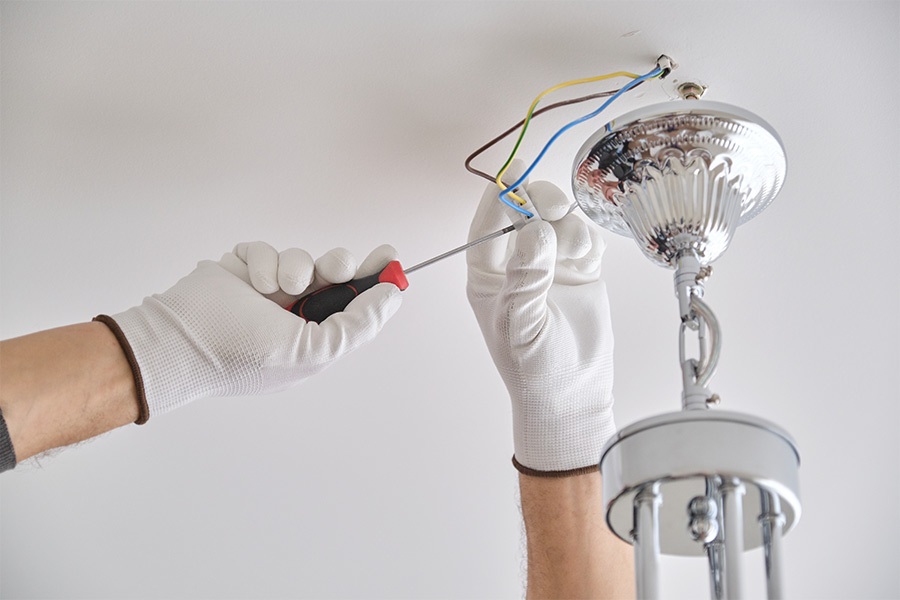
Turn To Crowe Electric for Comprehensive Lighting Solutions
No matter your thoughts on incandescent light bulbs vs. LED bulbs, you can get reliable lighting installations for your home in Bridgewater, Massachusetts, from Crowe Electric. We will help you explore the advantages of both options, assess your property’s lighting needs, and handle the installation.
Our knowledgeable electricians help with everything from troubleshooting flickering LED lights to recessed lighting. Contact Crowe Electric to discuss your home’s lighting needs in Bridgewater today.