
Upgrading your electrical panel can greatly improve your home’s safety and efficiency. Before you start, it’s vital to understand your existing setup and assess your electrical needs. You’ll want to gather the right tools and familiarize yourself with the panel layout. But what happens if you run into issues like tripping breakers? Knowing when to seek professional help can make all the difference in your project’s success. Let’s explore the essential steps to take.
Understanding Your Electrical Panel
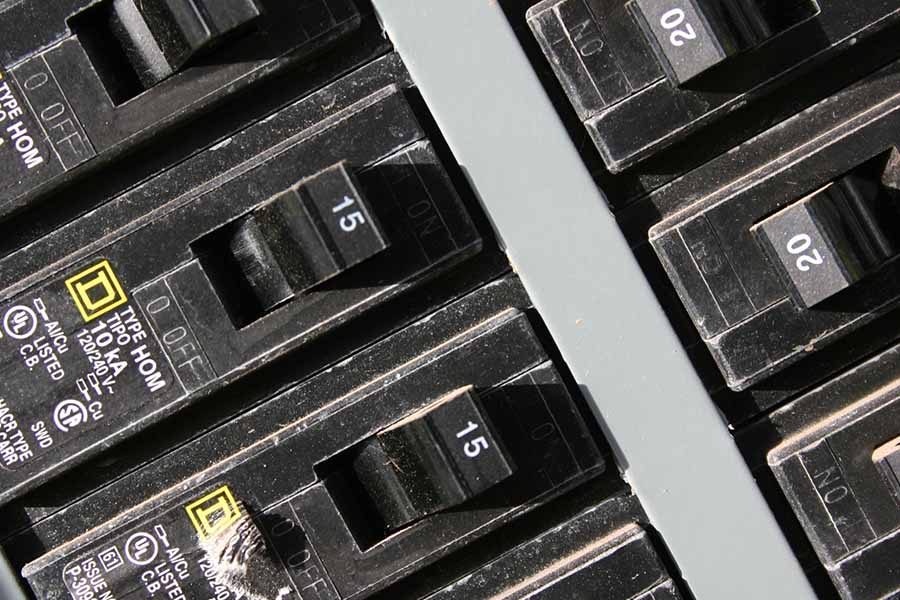
Your electrical panel serves as the heart of your home’s electrical system, distributing power to every room and appliance. Understanding its components is essential for maintaining safety and efficiency. The main breaker controls the power supply, while individual circuit breakers protect specific areas and devices.
If you notice frequent tripping or flickering lights, it’s a sign that your panel might need attention. Familiarize yourself with labeling on the panel; it helps you identify which circuits connect to which areas in your home.
Regularly check for signs of wear, such as rust or scorch marks, which could indicate a problem. Upgrading your electrical panel guarantees reliable power and enhances your home’s safety.
If you’re unsure about anything, don’t hesitate to reach out to a professional like Crowe Electric, who can provide expert guidance and service tailored to your needs.
Assessing Your Current Electrical Needs
When considering an electrical panel upgrade, it’s crucial to assess your current electrical needs to guarantee your system can handle your lifestyle.
Start by listing all the appliances and devices you use regularly, from kitchen gadgets to home entertainment systems. Pay attention to their power requirements, which you can usually find on the product labels.
Next, think about any future upgrades or additions you plan to make. Are you considering new appliances, a home office, or additional lighting? These changes will impact your power needs.
Also, evaluate your current electrical usage patterns. If you often experience tripped breakers or flickering lights, your panel may not be equipped to handle your load. It’s advisable to consult with a professional for a thorough electrical panel inspection to ensure safety and efficiency in your electrical system.
Gathering Necessary Tools and Materials
Gathering the right tools and materials is vital for a successful electrical panel upgrade.
You’ll want to make sure you have everything on hand before starting the project to avoid any interruptions.
Here’s a quick list of what you’ll need:
- Screwdrivers: A set of flathead and Phillips screwdrivers will help you remove and secure panels.
- Wire Cutters/Strippers: These are essential for cutting and stripping wires safely and efficiently.
- Voltage Tester: Always use a voltage tester to confirm that power is off before you begin any work.
- Safety Gear: Don’t forget gloves and safety goggles to protect yourself during the process.
Additionally, consider consulting with a professional for complex tasks, especially when dealing with outdoor electrical outlet installation, to ensure safety and compliance with local codes.
Step-by-Step Guide to Upgrading Your Panel
Now that you’ve gathered the necessary tools and materials, it’s time to start the upgrade process for your electrical panel. First, turn off the main power supply at the meter to guarantee safety.
Remove the panel cover by unscrewing it and carefully disconnect the existing wiring from the old panel. Keep track of where each wire connects for reinstallation.
Next, install the new panel by securing it to the wall. Connect the main wires to their corresponding terminals, confirming a tight fit.
Reattach the ground and neutral wires to their respective bars. Once everything is connected, double-check your work to avoid any mistakes.
Finally, replace the panel cover and turn the power back on at the meter. Test your circuits to verify they’re functioning correctly. It’s also wise to consider consulting a professional for assistance, especially if you’re unfamiliar with the installation process of electrical systems.
If you have any doubts, don’t hesitate to consult a professional for assistance.
When to Call a Professional Electrician
Are you unsure about whether to tackle an electrical upgrade on your own?
It’s essential to recognize when it’s time to call a professional electrician. While DIY projects can be rewarding, some situations are better left to the experts.
Here are a few signs that indicate you should reach out for help:
- You’re experiencing frequent circuit breaker trips.
- You notice flickering lights or unusual electrical smells.
- You’re unfamiliar with local electrical codes and regulations.
- Your upgrade involves complex wiring or panel changes.
Don’t hesitate to contact a skilled electrician when you encounter any of these issues.
Professionals like Crowe Electric offer 24-hour emergency services and can guarantee your upgrade meets safety standards.
Choosing to work with experienced electricians not only assures quality workmanship but also provides peace of mind.
Prioritize your safety and the integrity of your home by knowing when to seek expert assistance.

Conclusion
Upgrading your electrical panel can enhance safety and improve your home’s efficiency. Did you know that homes with outdated panels may experience a 30% increase in energy consumption? By following these DIY tips, you can tackle the upgrade confidently. Just remember, if you notice frequent tripping breakers or flickering lights, it’s best to call in a professional. Taking the right steps guarantees your home stays safe and energy-efficient!